Fuel Storage
Bunded vs Non-Bunded Diesel Tanks: What Is the Difference?
What a bunded diesel tank is, why it matters for safety and fuel loss, and when a non-bunded or double-walled tank makes sense.
Read guide →
Home / Blog / Fuel Storage
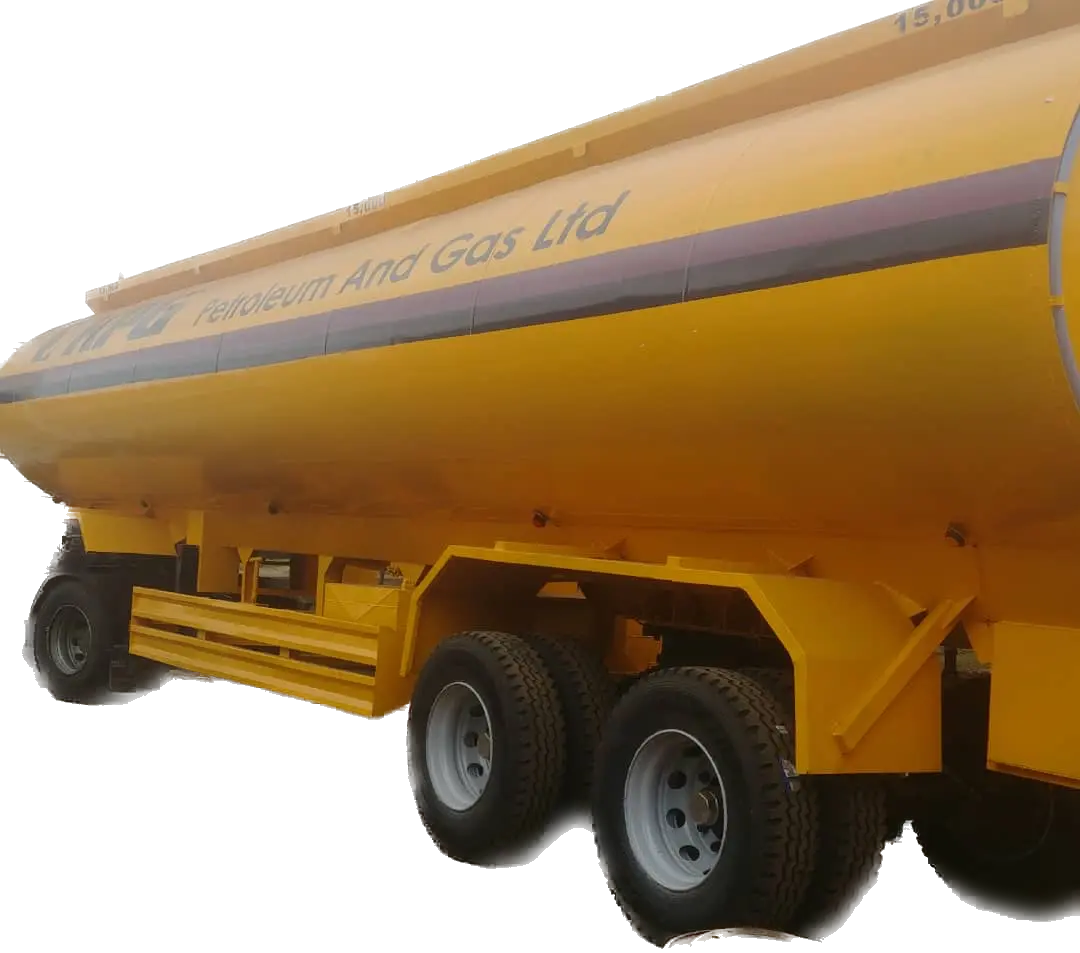
A diesel tank that is too small means frequent deliveries and the risk of running dry. One that is too big ties up money in fuel and space. Here is a simple way to size a tank for a factory, estate, site or farm.
Start with your generators, because they are usually the biggest users. How much fuel a generator burns depends on its size and how hard it is working. The spec sheet for your generator lists fuel use at different loads, and that is the most accurate number to use.
If you do not have it, here is a rough guide: a diesel generator uses about 0.25 to 0.3 litres an hour for every kW it is producing. A 100 kVA generator running at three-quarter load produces about 60 kW, so it burns roughly 15 to 18 litres an hour.
Multiply litres per hour by the hours it runs each day. Then add any trucks, forklifts, boilers or other machines you fuel from the same tank.
Think about how often you can get a delivery and how reliable your supplier is. Many businesses keep enough for one to two weeks, with extra cover for festive periods and fuel scarcity.
Days of cover x daily use = working capacity.
You should never fill a tank to the brim, and you should not run it to empty, because sediment and water collect at the bottom. Add about 10 to 15 percent on top of your working capacity.
A 4,000-litre tank would suit this site, with a little room to grow.
Measure where the tank will sit. Check that a delivery truck can reach the fill point, and how far the fuel has to travel to your generator. Make sure the ground can take the full weight: diesel weighs about 0.84 kg per litre, so 4,000 litres of fuel is more than 3 tonnes before you add the tank itself.
Once you know the size, decide between a bunded or non-bunded tank, on-ground or overhead, and one compartment or split compartments for diesel and petrol. Our guide to bunded vs non-bunded tanks explains the difference.
Send us your generator sizes, running hours and the space you have, and we will recommend a size and build it. See our diesel tanks or get a quote.
Fuel Storage
What a bunded diesel tank is, why it matters for safety and fuel loss, and when a non-bunded or double-walled tank makes sense.
Read guide →Truck Bodies
A plain guide to the main truck body types, what each one is best for, and what to decide before you order a new body in Nigeria.
Read guide →Fabrication
A simple comparison of mild steel, stainless steel, 3CR12 and aluminium for fabrication jobs: cost, strength, rust and where each one works best.
Read guide →Send it over. We will tell you what it takes to build it, and how soon.
Get a quote